Guest Essay: Red-faced over red light cameras
“I predict PennDOT will refuse to allow Philadelphia to add yellow light time to improve safety by more than the cameras can achieve,” says the author

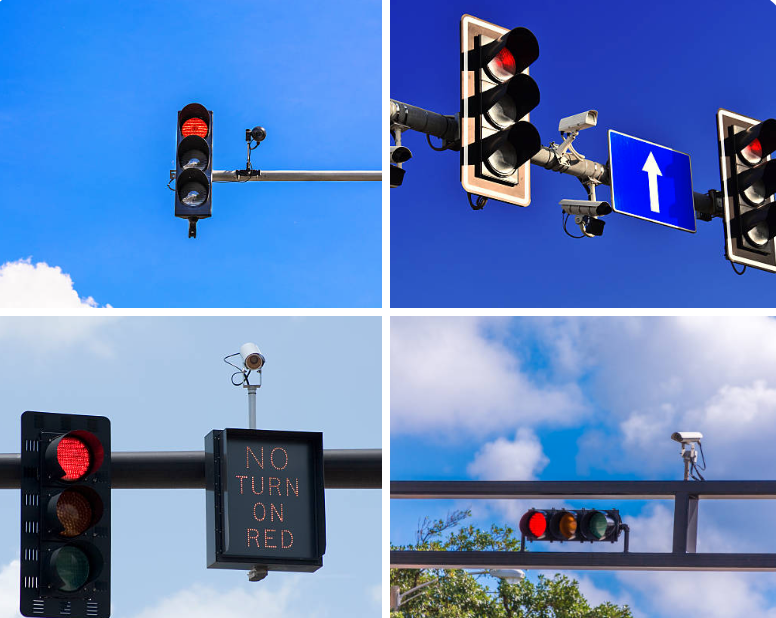
By Tom McCarey
Red light camera boosters don’t want you to know that in many jurisdictions where red light cameras are active, accidents and injuries have increased, including Philadelphia.
At Grant Avenue and the Boulevard, accidents increased 15%, with injury accidents increasing 27%. In addition, angle collisions did not decrease as promised. At Red Lion Road, accidents increased 18%. And again, cameras did not reduce angle collisions, as the red light camera boosters promised they would. https://www.thenewspaper.com/rlc/docs/2013/pa-rlcresults.pdf
In Los Angeles, at Manchester Avenue and Figueroa Street, at Westwood Boulevard and Wilshire Boulevard, and at Rodeo Road and La Brea Avenue, collisions tripled after red light cameras were installed. So why did accidents increase at camera-enforced accidents? Local attorney Sherman Ellison said, “People see the light flash and they slam on their brakes. That’s just human nature. As a result, more accidents, more rear end accidents.” https://ww2.motorists.org/blog/la-red-light-cameras-increase-accidents/
The Virginia Transportation Research Council found an increase of between 31% and 54% for rear-end crashes, and most likely an increase in angle crashes as well at red light camera intersections. And there was no decrease of rear-enders over time, as red light camera boosters claimed would happen. https://www.thenewspaper.com/news/18/1844.asp
In Corpus Christi, Texas rear-end accidents increased nearly 33%, with injury accidents up 28% at red light camera intersections.
https://www.thenewspaper.com/news/27/2743.asp
Red light camera boosters don’t want you to know that adding time to yellow lights reduces red light violations dramatically, also making intersections safer.
The Virginia Department of Transportation increased the yellow time by 1.50 seconds at one red light camera intersection. This increase in yellow time resulted in a 94% drop in citations. https://ww2.motorists.org/issues/red-light-cameras/red-light-citations-drop-below-one-per-day-2/
To illustrate that most red light violations are invisible, tenths of a second violations, Winnipeg, Canada added 0.3 to 0.7 seconds to 110 city intersections, which resulted in a 75% to 80% reduction in citations at red light camera intersections. https://www.thenewspaper.com/news/70/7025.asp
I predict PennDOT will refuse to allow Philadelphia to add yellow light time to improve safety by more than the cameras can achieve.
Why will it refuse? Likely because Automated Red Light Enforcement (ARLE) programs are for-profit ways for PennDOT to accumulate funds it can pass out to communities it favors for whatever reasons. PennDOT gains power and influence in relationship to its total budget, and the ARLE program increases its total budget revenue to give it more power and influence.
But if the yellow intervals are lengthened by one second to reduce the violation rates by at least 60% and more likely 70% to 90%, then ARLE cameras would issue too few tickets for the total fines to pay the $4,000 to $5,000 per month per camera costs and the program would lose money. Without profits, PennDOT and the for-profit camera companies will not be interested in the red light program.
Adding one second to yellow lights would make intersections safer, but would make red light cameras unnecessary and unprofitable, not something that either PennDOT or Philadelphia wants.
And yet, with all this, red light cameras continue to operate and proliferate, without being subjected to proper investigative reporting. A big problem is that by Pennsylvania law, camera data is kept top secret from the public, so we can't find out what the cameras' failures and shortcomings are. We have to rely on the information the camera boosters put out.
Will they say anything that might kill their goose that lays the golden eggs? The huge money that cameras generate, which creates a conflict of interest, is too tempting for the officials in charge to ban red light cameras. Intersections would be safer with proper yellow light timing and without red light cameras.
The ability to punish driver’s inadvertent and non-dangerous behavior with gotcha technology reflects governments’ desperate quest for ever more revenue. Red light cameras increase accidents and injuries. Intersections can be made safer with longer yellow lights. Based on the facts, red light cameras should be banned in Pennsylvania.
—-
Tom McCarey is a long-time activist for highway safety, who believes Philadelphia’s red-light camera program is predatory.
Editor’s note: Publication of guest essays on my blog does not necessarily suggest agreement.