Philly is a snail when it comes to paying its bills
90% “of the more than 12,000 outside service contracts that the city signed from fiscal 2020 through January 2025” were paid late.

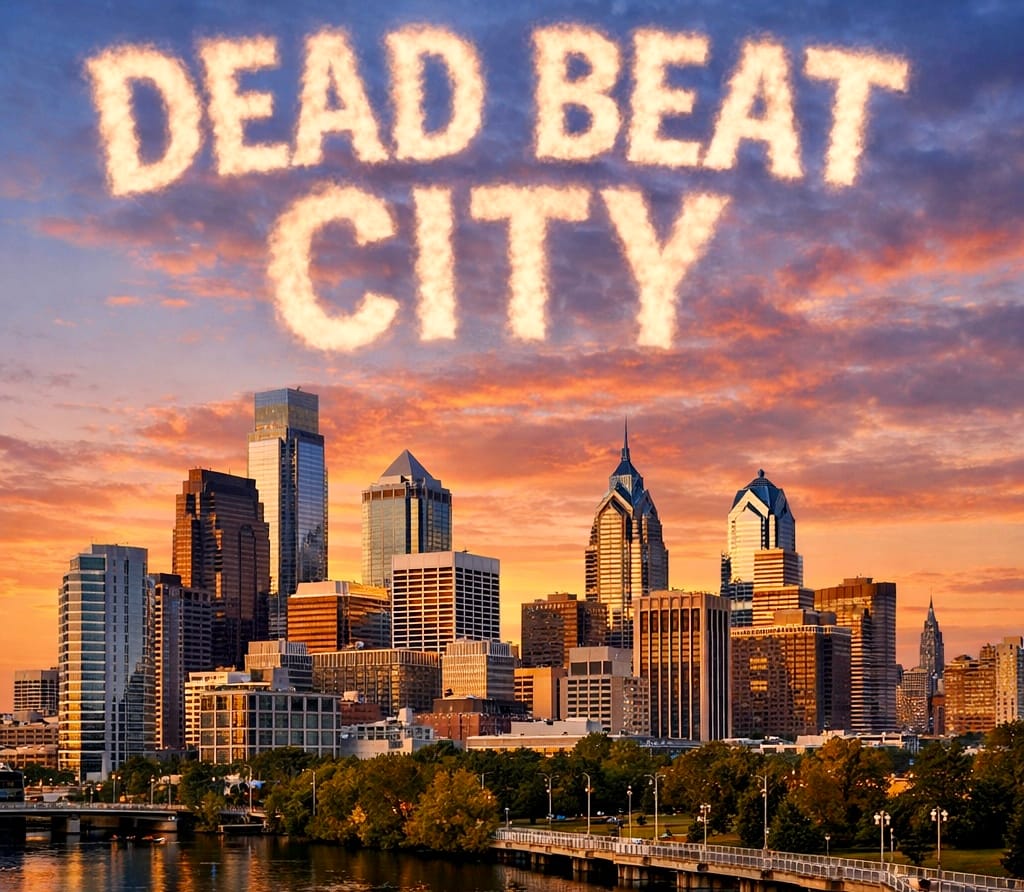
There are things that make you proud of Philadelphia — birthplace of the nation, architecture, culture, Tyrese Maxey, cheesesteaks, aspirations of tolerance — and then there are things that make you hang your head in shame.
I’m thinking of our local government, again drawn into the court of public opinion by a report that would embarrass anyone who values fair play and equity.
As reported in the Inquirer, 90% of contracts entered into with the city are paid late, creating havoc for those doing business with the city. Some are paid very late.
The story was based on a report from the nonpartisan and squeaky clean Pew Charitable Trusts, which is the gold standard of empirical research.
“In fiscal year 2024, the city spent $1.3 billion on approximately 2,400 professional services contracts,” Pew reports. “Those outside vendors provide critical services, including after-school programs, homeless shelters, and health care, to name just a few.
“And, like many other jurisdictions, Philadelphia struggles with a time-consuming and complicated procurement system that contributes to difficulty in getting service providers paid on time.”
The report said that 90% “of the more than 12,000 outside service contracts that the city signed from fiscal 2020 through January 2025” were paid late.
Embarrassing.
You ever had a friend who owed you money?
That’s a pain, right?
But when you are in business, you have creditors who must be paid — whether within 30, 60, or 90 days — and if you don’t pay, you get cut off, and can put you on the road to bankruptcy.
But the government often doesn’t work that way. Since it is receiving the services for which is has contracted, where’s the rush?
The Inquirer focused on nonprofits.
“For years, nonprofits that do business with the Philadelphia city government have complained about being paid late, at times having to dip into reserves or even borrow money as they waited for the city dollars that were owed to them.”
It has been going on for decades, and it can be catastrophic.
“More than a quarter of those contracts experienced delays of five months or longer,” the Inquirer reported. “Many of the organizations — such as homeless shelters, behavioral health service providers, and after-school programs — operate unpaid because they cannot pause services without affecting vulnerable populations.”
The dead beat city is the bad news.
Here’s some good news:
After taking the reins of power, Mayor Cherelle Parker recognized the problem and took some steps in the right direction.
In 2024, Pew said, Parker “announced a systemic effort to rapidly confirm all delayed professional services contracts and pay past-due invoices by November of that year.”
She has taken other steps, but is faced with the traditional barriers to efficiency — bureaucracy, and antiquated policies.
Good luck, mayor. Reduce the shame.