For homeless pets, gimme shelter is not just a song
Long-term efforts at the city’s animal shelter are paying off in saved lives

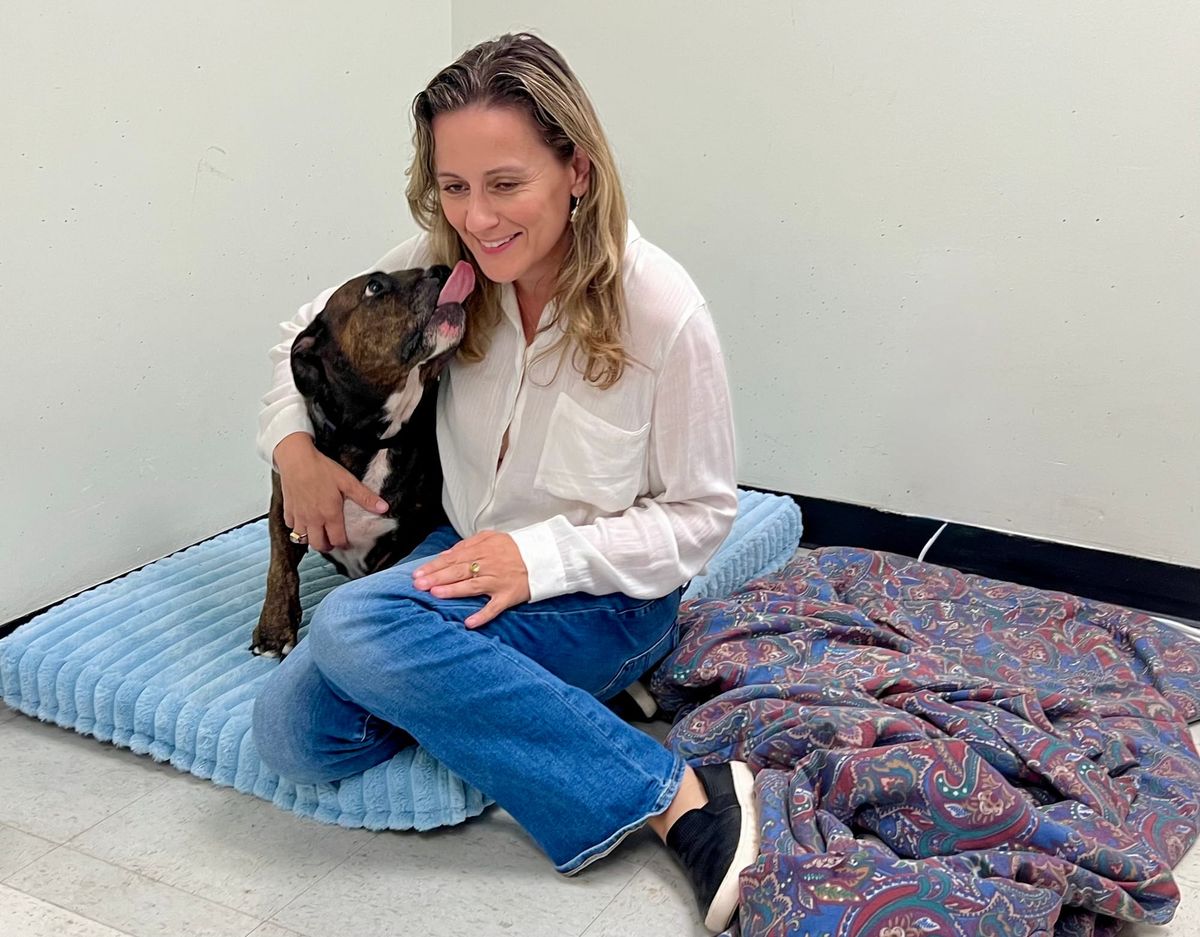
If I were a genie and offered you one wish, and you wouldn’t even have to rub a magic lamp, what would it be?, I asked Sarah Burnett.
She replied in a snap, “That every animal that is healthy, adoptable, treatable, savable that comes in, that they get out.”
Get out of ACCT Philly, Philadelphia’s animal shelter in Feltonville that has been struggling yet improving since it took over from the former PACCA in 2012.
Barnett, 39, is the seventh executive director of ACCT Philly, and the first one to last more than two years. Longevity is stability, which is important in any operation.
“Sarah has done a remarkable job in putting together the best team, staff and group of volunteers that ACCT has ever had,” I was told by ACCT Philly board co-chair Marsha Perelman in a phone interview. She is a major force in Philly’s animal welfare community.
I’ve been following what’s happening at the shelter since 2004, when I did a long expose under the Page One headline, “The Cruel Cages.”
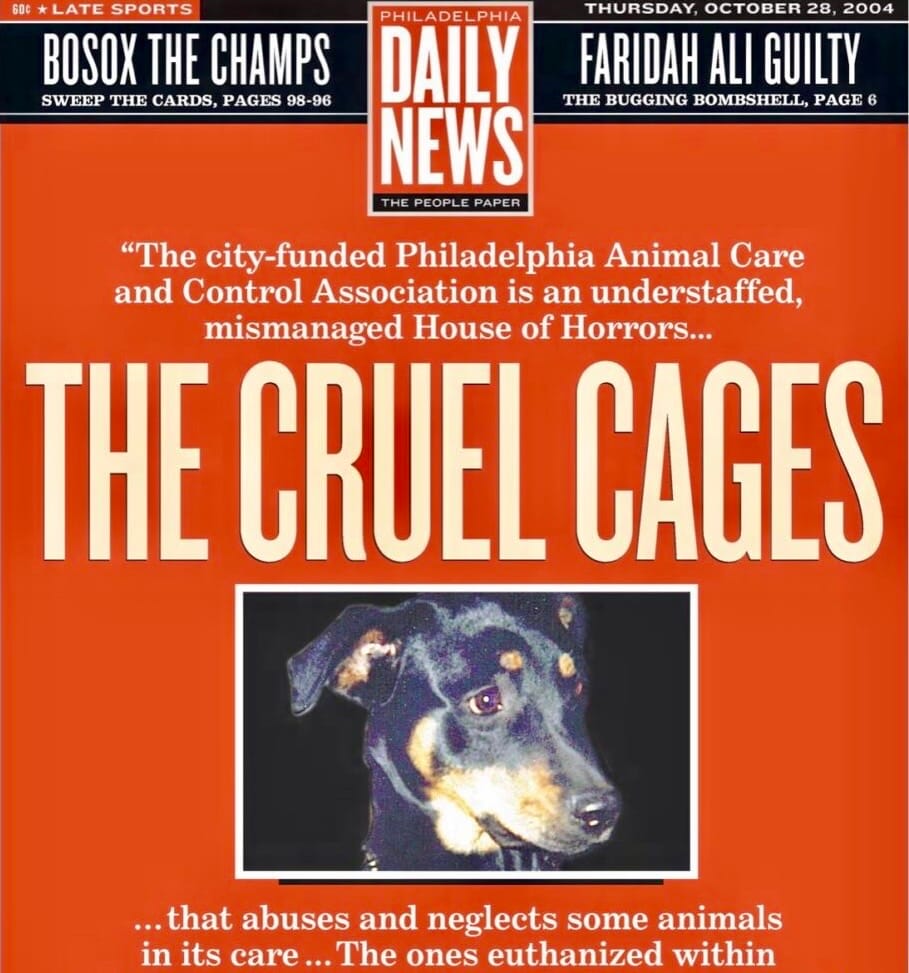
At the time of my reporting, plus followup stories, the PACCA save rate was as low as an abysmal 11%. (The save rate reflects the percentage of animals who exit the shelter alive.)
For last month, the save rate was 87% for dogs and 88% for cats. The national dog save rate average, calculated by the well-regarded Best Friends Animal Society, is 82.5%.
So ACCT Philly is above average, and also an “open admission” shelter, which means it must accept every animal turned in by owners, found on the streets, or otherwise. The city funds the shelter, $8.2 million this year, but does not operate it. That is the job of ACCT Philly.
“The city has done a great job of increasing our revenue, but we still remain one of the most poorly funded all-intake shelters in the country,” said Perelman.
That 2004 expose led to City Council hearings after which PACCA (the Philadelphia Animal Care and Control and Association) was demolished, its animal welfare role turned over to the Pennsylvania SPCA, which asked out of its contract after a brief time, leading to the creation of ACCT Philly.
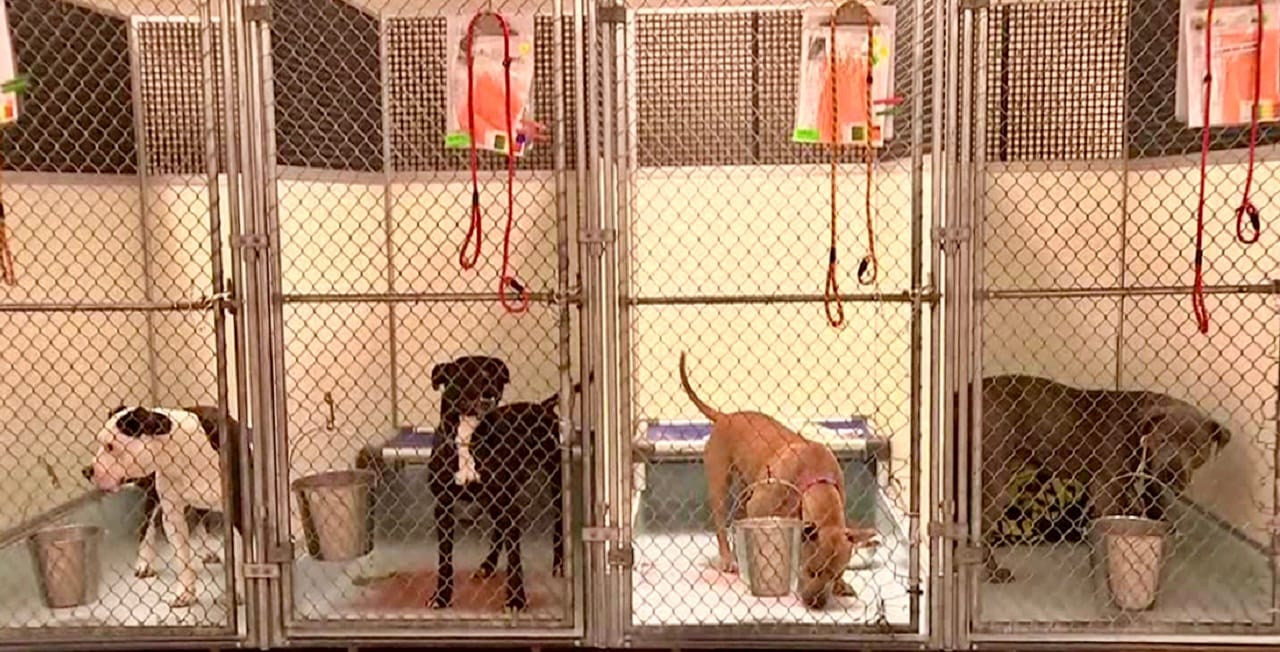
It now has a total of 94 dog kennels, plus staff offices which occasionally are shared by human staffers and dogs or cats awaiting adoption. There are 162 cat cages.
On average, each day about 20 dogs enter the shelter, which has 201 volunteers and 104 staffers.
Since there are not 20 adoptions each day, the shelter relies on volunteers to foster animals, and rescue groups, currently 219, which pull animals from the shelter and seek to find them new homes. The grim reality is that those who do not get out in time must be put down to create space for the new arrivals.
In 2021, the shelter reported a 92% saved rate, but it could not hold it for long.
Barnett explained the number of dogs saved actually grew each year, but the number of dogs surrendered to the shelter increased even more, resulting in the lower percentage of animals saved from euthanasia.
Also down was the number of volunteers and rescues from my reporting of a few years ago. Barnett said that was due to increasing the amount of activity they provided to be counted as active.
“How many partners do we have in the system as to how many are actually taking animals?,” she asked me in an interview in her office, sitting near Queenie, a 9-year-old pit bull mix who is heading for rescue.
Queenie illustrates one of two big problems mentioned by Barnett.
One is size. Many landlords don’t permit dogs, and even more put restrictions on the size of dogs they will accept, irrespective of breed.
The other is cost. Owning a pet, especially a dog, seems like a “luxury” many people can’t afford because of the economy, Barnett said.
That point was underscored by Perelman, who predicted that next year shelters across the nation will be swamped by financially strapped people who will be forced to surrender their pets.
It’s a sad fact of life that when times get tough for people, they get even worse for pets.