The rise and fall and rise of a moxie woman

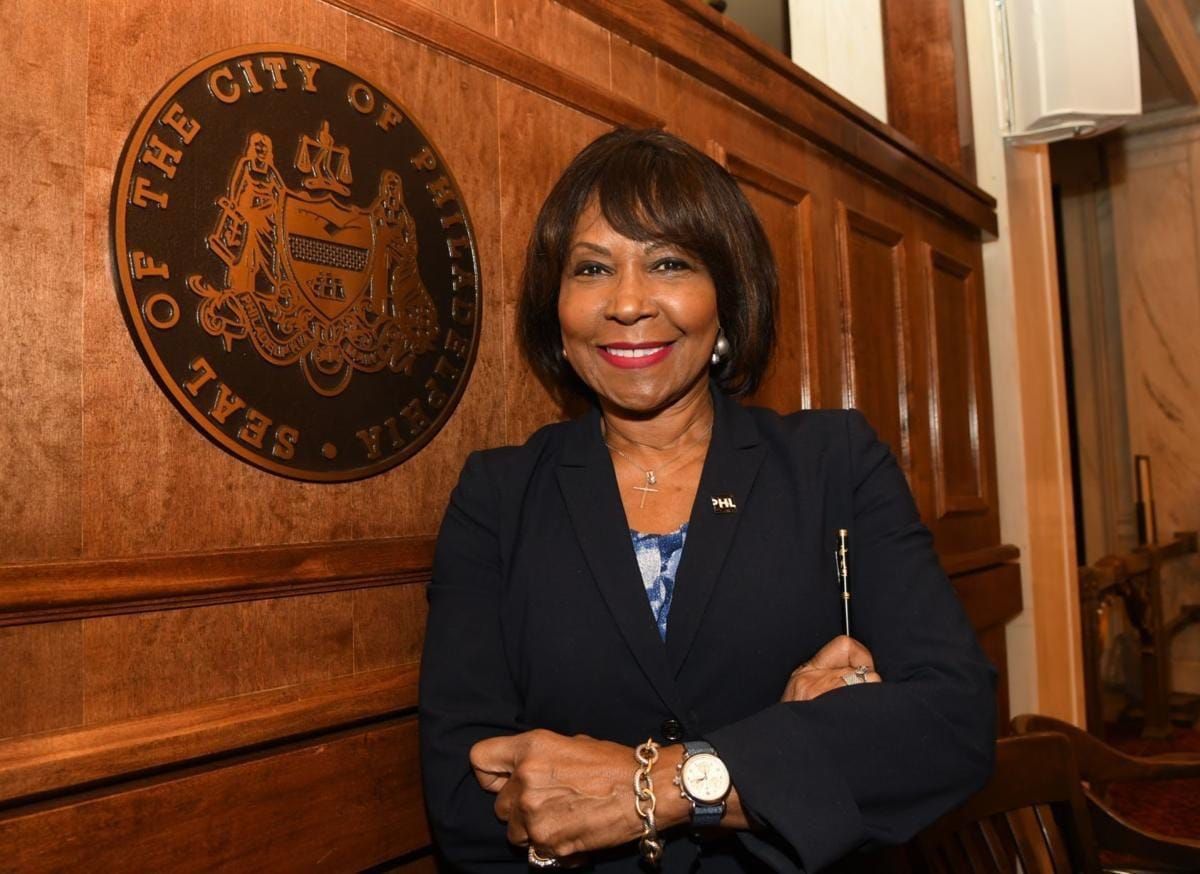
A large part of the book deals with a crisis in office, and one at home, the sum of which drove her into grief counseling — but also into battle.
In her memoir, “Walking a Tightrope Backward — in High Heels,” [$32, Wordee publisher, www.wordee.com] former Philadelphia City Councilwoman Blondell Reynolds-Brown offers a not-quite-tell-all that is part cheer squad, part insider political playbook, part practical advice for women, especially women of color (and men, too, actually).
BRB, who turns 74 on the 16th, ends each chapter carpe diem, which is Latin for seize the day, and she always has.
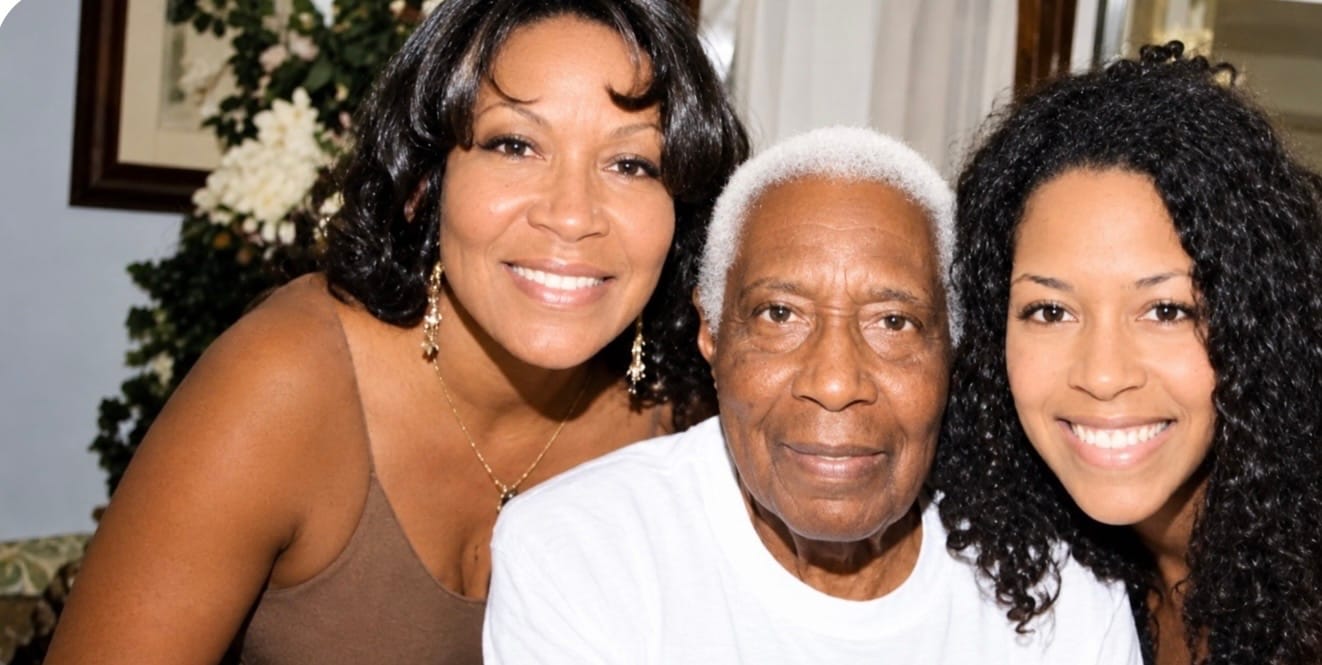
The most important person in her life was her extraordinary mother Sadie — a single South Carolinian mom with a teacher’s degree, who was widowed at 37 and yet sent all seven of her children to college.
There remains some racism and sexism in America today, but imagine what Sadie went through.
She is the prototype for what BRB calls the moxie woman, which she has turned into a brand that seeks to empower women. Her website is www.moxiebrb.com (She also is senior advisor in a consulting firm run by her former Council colleague Frank DiCicco.)
Aside from the inspiration of Mom, BRB was the beneficiary of several different support groups, from sorority sisters at Penn State to other new moms. As the eldest sibling, she was required by Sadie to help her brothers and sisters, so she went into education at home rather than the Peace Corps abroad, she writes.
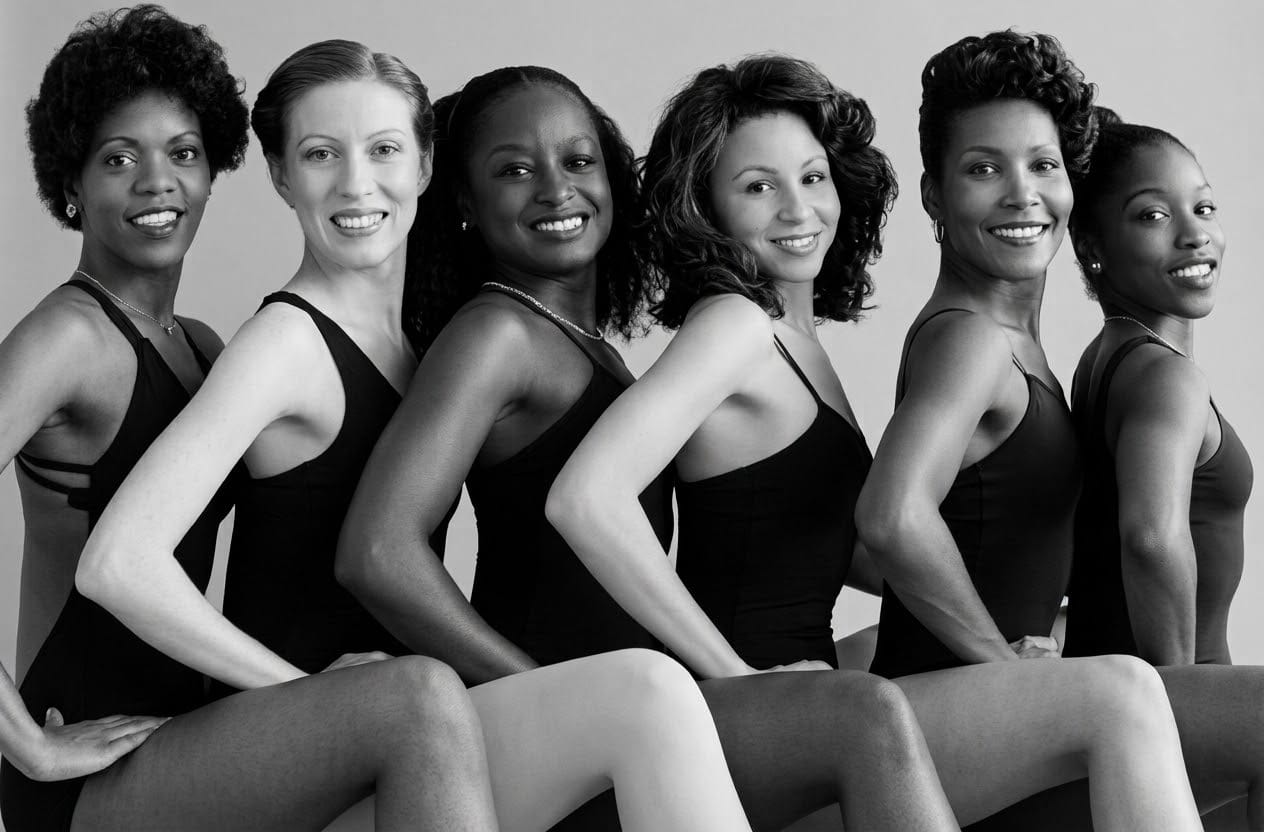
Later, before politics, her dreams led her to dance, and she became a member of Philadanco, the famed Philadelphia dance troupe. She spent a year on Amtrak auditioning at New York City “cattle calls,” but was given only a “thank you” because she stood only 5-3. (She eventually was hired for a Vegas-style review in Atlantic City. Checking off another dream.)
The dance thing is not a sidelight. The discipline of dance — being on time, being prepared and being willing to suffer through endless hours of rehearsal was “a building block for my political career,” she writes.
But let’s start with the bad news, and get that out of the way.
After serving four terms on City Council, having run up an impressive legislative record of helping women, minorities, the poor, children, and others, BRB chose to run for a fifth term even after running afoul of the city’s Board of Ethics.
In most cases the buck started with her, and stopped with her when she admits to, but does not excuse, serious ethical errors that led to public humiliation and bad headlines.
In addition to the humiliation, she got pounded in 2013 with the largest-ever $48,000 fine imposed by the Board of Ethics for unreported/late-filed contributions and donations, including her use of $4,500 of campaign funds to repay a personal loan from her mentor, U.S. Rep Chaka Fattah, who himself later went to jail for corruption.
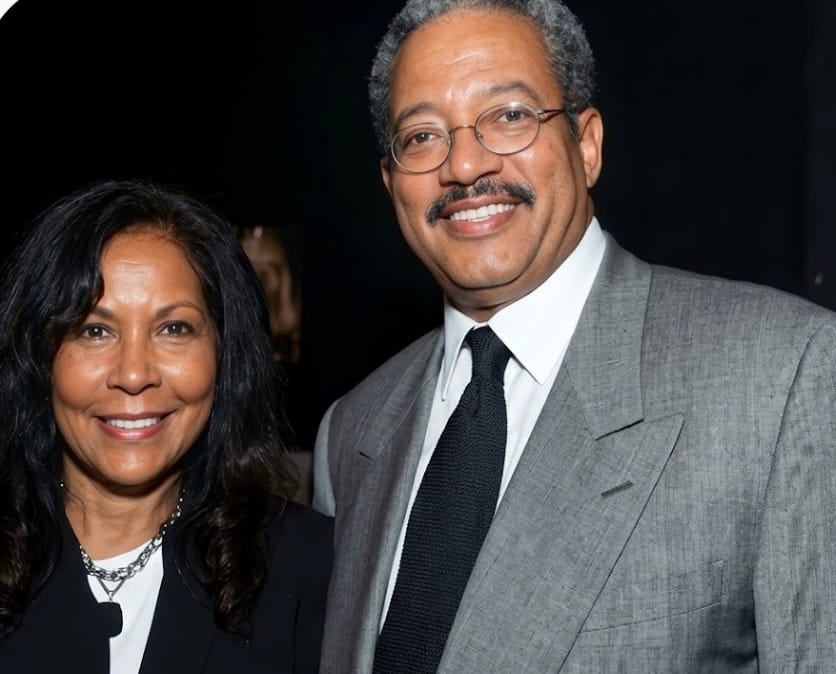
BRB was never charged criminally, and despite calls for her to resign, she was re-elected and kept her role as majority whip.
Her former campaign manager, John McDaniel, was less fortunate: he pleaded guilty to stealing more than $100,000 from her 2011 campaign.
Another teapot tempest arose when she signed up for the controversial DROP retirement plan, making a judgment call to file only when she was in a new, unelected city job. That plan didn’t work out and she never got the bonus.
She paid the price of being hounded “by the badgering press,” but social media was worse. It weighed heavily on her, she admits.
—-
In most cases when dishing out praise, she uses peoples’ names. As a gentlewoman, when criticizing others, she talks about their actions, without their names, which is why I call this a not-quite-tell-all.
The ethics tsunami was part of an emotional downpour that knocked her off her dancer’s feet.
Possibly even more psychologically damaging was the end of her 16-year marriage to Howard Brown, over the education of their daughter Brielle.
Her implacable decision to send her daughter — despite social and political backlash — to the best damn school available, not the closest and not the Blackest, broke her marriage.
The divorce haunted her for more than a decade, even as Brielle graduated from Drexel with a law degree.
I was reading the memoir at the time Pulitzer prized African-American journalist Nikole Hannah-Jones wrote an extremely long confessional in The New York Times in which she admitted to sending her daughter to an inferior nonwhite school with the hopelessly naive idea that it would somehow improve the school.
It did not. And the daughter paid for her mother’s well-intentioned but flawed progressive beliefs with a serious educational setback.
(Hannah-Jones was the lead reporter on the Times’ heavily criticized rewrite of American history in “The 1619 Project” that kicked up a lot of controversy a few years back.)
BRB knew she would catch hell, as a former public school teacher, and a public official, for not sending her daughter to a public school. This was her choice as a mother, and a moxie woman. She stood her ground.
“As a mother, I get one chance to get it right,” she told me in a phone interview.
It was the wrong political choice, but the right personal choice.
Her book deals with choices, and paths less traveled, and is peppered with an amazing number of quotes from a stunning range of books, and authors — from Maya Angelou to Dale Carnegie to Navy SEALS. She name checks Helen Keller, J.K. Rowling, Michael Jordan, Rudyard Kipling, Oprah, and many others.
Where did she ever get the time to read so much?
I know many of you think Council is nothing but a ferret farm. Some ferrets, yes, but for serious-minded members like BRB, she had to “manage my mental health between the endless days, Council formal and informal meetings, briefings, hearings, emails, and phone calls.”
She even lost the freedom to sneak off to the 12th Street Gym for stress-busting exercise when members recognized her. The gym sanctuary turned into a political mosh pit.
The only certainty in her life was taking her daughter to school each morning, no matter what.
Another illustration of Mom’s devotion: Although she calls herself a “hopeless romantic,” the memoir is devoid of any mention of a man in her life.
I asked her about that in a phone interview.
There was a romance, she told me, with a handsome, kind, respectful and generous man who lived about two hours away.
“He was all the things any woman would want in a partner,” she said, “but my role as a mother mattered more to me than my role as a lifetime partner at that point.”
He married someone else, but BRB says they remain friends.
—-
I always liked her as a strong woman, a moderate Democrat, and, yes, very fine looking. Am I allowed to say that?
Is that sexism?
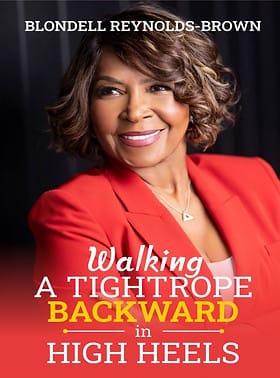
BRB herself exhorts women to dress for success, with “nails groomed, hair coiffed, makeup perfect, and attire immaculate.”
Since it is a memoir, the 280-page book has much of her personal philosophy — carpe diem, moxie — that can be used by anyone. She under promises and overperforms.
In the passage where she promises “my top 22 life lessons learned,” she gives 30 examples of practical insight.
A sample: “Not only is it human to err, it is inevitable. . . Own your own SSS — stupid stuff stumble. . . Perfection is a burden. Avoid it . . . The only time you should look back in the rear view mirror is to see how far you have come. . . Burn the midnight oil. After the storm, do what you always have. . . Manage your anger. Dream.”
Not mentioned: Know when it’s time to leave the stage, whether as dancer or politician.
Having survived the storm of the ethics scandal, and won re-election (easily), after much thought, and much vacillating in secret, in 2019, she decided to walk away from the power, the celebrity, the endless hours of public service.
She had just had it up to here.
Having been an educator, a dancer, and a city official, BRB took aim on Act IV — to become a children's book author.
That book is in her computer, she tells me, undertaken after she published her memoir.
She needs an illustrator, and a publisher.
Will she get them?
That’s as certain as her moxie.