Voting fraud DOES happen, but rarely
I can’t say no election has ever been “stolen” by bad machines, bad policies, or bad people. Heck, it happened in 1994 in my home state of Pennsylvania

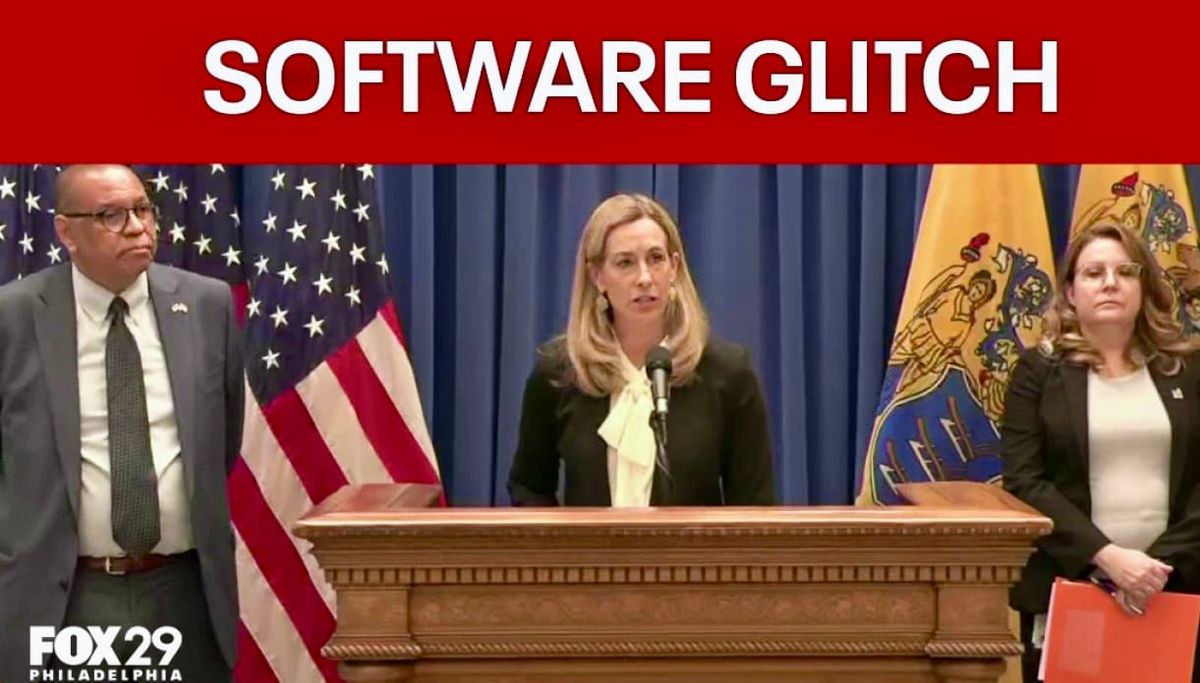
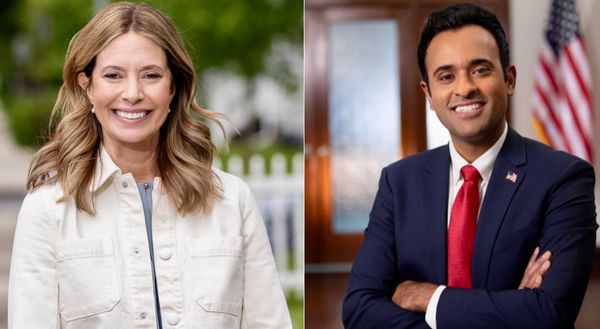
Oops. Moments after New Jersey Gov. Mikie Sherrill admitted that a software error permitted the wrongful enrollment of 6,600 noncitizens, the election conspiracists started howling at the moon about the “vulnerability” of the U.S. voting system that was attacked by President Donald J. Trump in a recent address.
That address fell under the umbrella of his oft-mentioned but seldom-proven “stolen elections” haiku. His position was torn apart analyzed by Axios, as you can read here. I will return to that in a moment.
The New Jersey glitch seemed like a terrible error, and it was. Elections are serious business. Like major businesses, we should aim for zero defects.
But let’s look at the scale: 6,600 is 0.0988% of the state’s 6,682,699 registered voters, according to NJ.gov. And fewer than 400 of them actually cast a ballot. That is a percentage smaller than I can calculate and too small to have affected the outcome.
So two things can be true at once — fraud can be tiny, and also unacceptable.
I can’t say no election has ever been “stolen” by bad machines, bad policies, or bad people. Heck, it happened in 1994 in my home state of Pennsylvania, as reported by Gemini AI:
“In a special election for Pennsylvania's 2nd State Senate District, Democrat William Stinson defeated Republican Bruce Marks after winning an unusually high number of absentee ballots. An investigation revealed Stinson’s campaign had systematically solicited forged and illegal absentee ballots from non-residents and voters who never requested them.”
A judge ruled Stinson had engaged in massive fraud, and seated Marks in his place.
So it does happen, but that was one of only four documented cases in U.S. history I could find.
The centrist Brookings Institution found successful fraud was “miniscule” and then took the unusual step of using analysis done by the conservative Heritage Foundation to prove its point.
Brooking’s said Heritage had studied many thousands of cases of fraud over decades. “Scrolling through the Heritage database at first glance offers the impression that there’s a lot of fraud—but a more careful look reveals just the opposite.
“To come up with thousands of instances of voter fraud around the country, Heritage staff had to go back decades in time where there have been hundreds of millions of votes cast and a very small number of cases of election fraud have been found, none of which affected election outcomes,” according to Brookings.
So while fraud may be tiny, we are entitled to protections that safeguard our elections from any tomfoolery — from a political party, or from a malign foreign nation (looking at you China, Russia, Iran, North Korea).
In the current Garden State kerfuffle, the state attorney general discovered that a mistake had been made between June 2023 and June 2024.
Democratic N.J. Gov. Mikie Sherrill swiftly blamed her predecessor, Democrat Phil Murphy, proving the buck doesn’t always stop here.
Before we get too far away from it, let’s take a peek at Axios’ “four takeaways” from Trump’s accusation of election fraud.
1- He blamed China for election interference in his first term, and blamed U.S. intelligence agencies for shielding the truth from him.
He was especially outraged that China had secured 220 million voter files, even though there weren’t 220 million voters in 2015. Those files, incidentally, are public documents open to all, such as political parties assembling street lists for door knocking or mailers. Having them is not proof they were used in voting.
2- He claimed there were 278,000 unauthorized people on the voting rolls, but did not present evidence that any of them had actually voted,
3- His claims of “shocking vulnerabilities” in our voting system were not proven. Incidentally, with all his deep concern about protecting the system, Trump made big cuts to the Cybersecurity and Infrastructure Security Agency that helps state and local jurisdictions protect voting systems.
4- He called for local jurisdictions to remove ineligible voters from the rolls, which seems fair enough. Democrats see it as a plot against their voters.
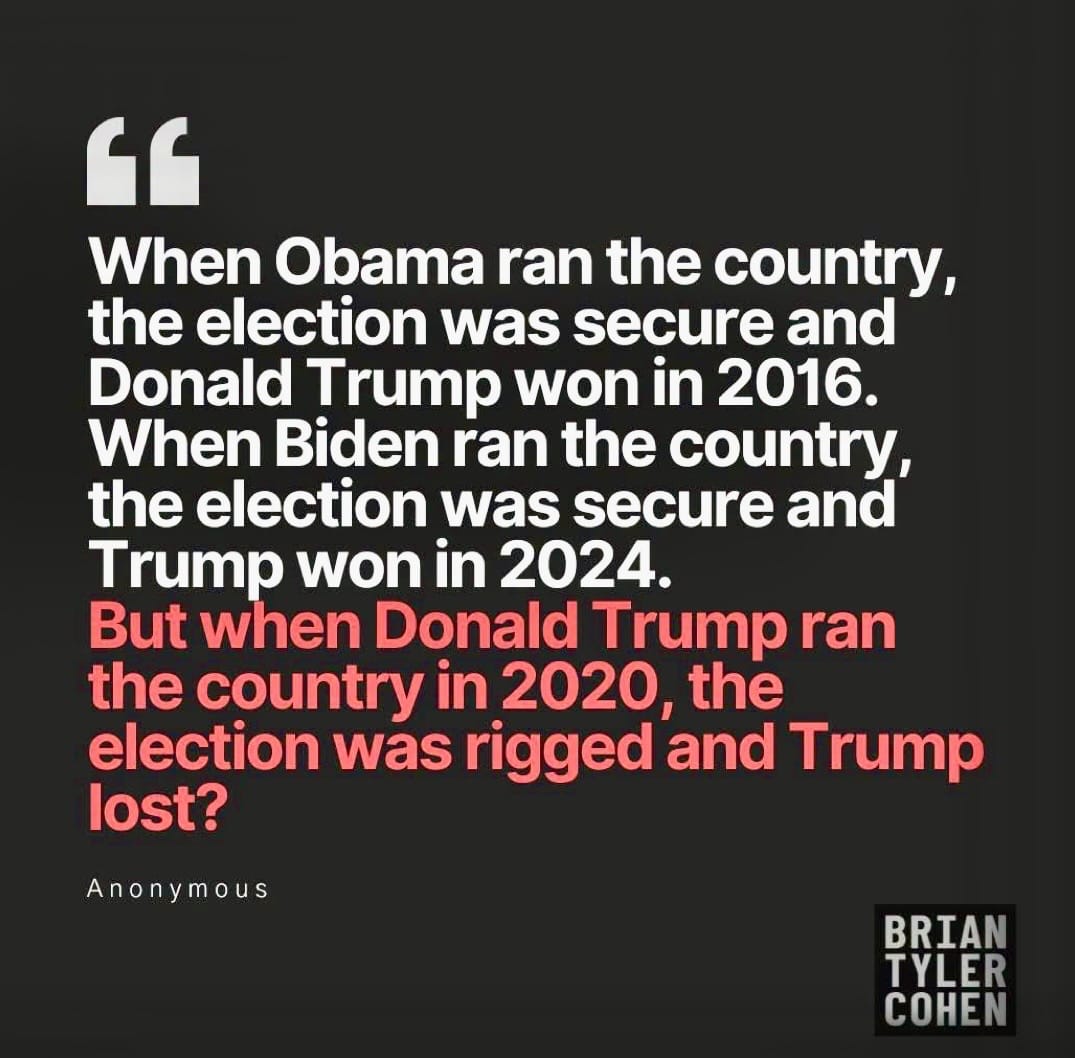
To which I add this
—-
Back to New Jersey: The wrongful enrollments were the fault of what’s called motor voter, by which people applying for driver’s licenses get automatically enrolled to vote.
For the record, I have always opposed the system, and now you can see why.
Even some applicants who checked “no” when asked if they were a U.S. citizen were enrolled anyway.
Sherrill said the fault lies with the vendor supplying software to state’s Motor Vehicle Commission. That company is IDEMIA.
Naturally, the Trump administration used this as a further excuse to pounce on New Jersey to demand it turn over all voting records.
Sherrill has refused, so here is yet another case headed for the Supreme Court.
For the record, the Constitution orders the states to handle elections, not the federal government.