Three years later, what we learn from the Hamas terror attack
The fate of Mideast Jews and Arabs remains in the hands of imperfect, and sometimes atrocious, politicians.

It is the third anniversary of the genocidal attack on Israeli and other civilians, resulting in some 1,200 deaths and 250 hostages, at the hands of the rabid Islamist extremists of Hamas, whose charter calls for the extermination of Jews.
It is clear the Hamas death cult lost the military battle, as it knew it would — as it wanted — but it is winning the public relations war, turning many U.S. college campuses, and most of the globe, against Israel for its unusually harsh response to the bloodthirsty attack, leaving an estimated 74,000 Gazans dead — many fighters, most not.
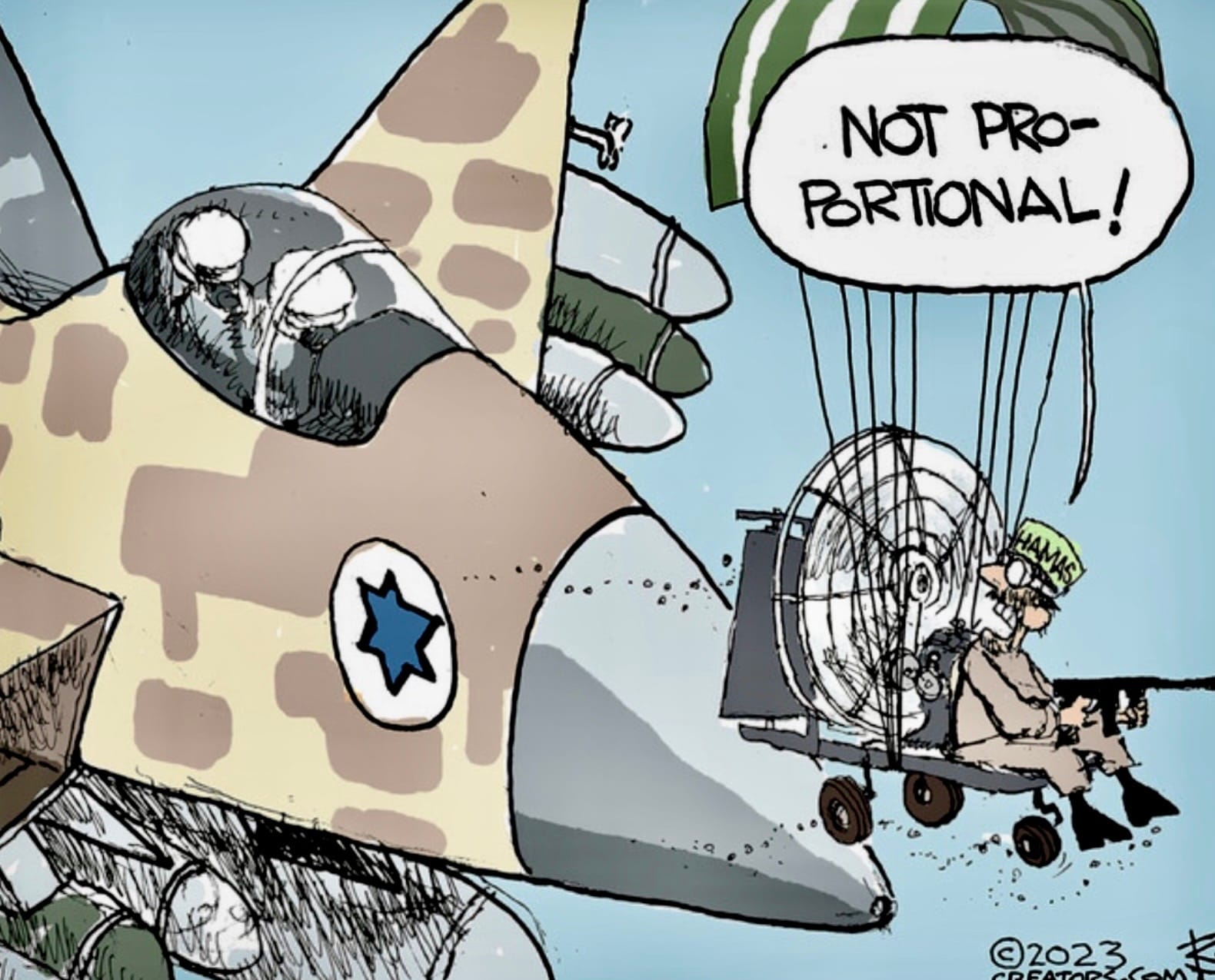
Why was the Israeli response so disproportionate? (Leave aside the U.S. response to 9/11 was to invade and occupy two Arab countries.)
First, Oct. 7 was the greatest slaughter of Jews since the Holocaust. It was the most severe attack in Israel’s history. Given the different populations’ size, it was the equivalent to 14 Sept. 11th attacks on America.
Israelis wanted revenge hot and heavy. The military’s feeling was “Fuck ‘em. Take the gloves off.”
Benyamin Netanyahu, the longest-serving prime minister, was happy to oblige because this catastrophe happened on his watch, and it could likely lead to his political demise. It still might. Israeli elections are two weeks away.
The fate of the hostages, including some Americans, splintered what had been a united front. Many of the hostages’ loved ones demanded the government secure their return, no matter the cost. They wanted an unconditional cease fire, which was not in Israel’s national interest. Understandably hysterical with grief, they blamed their government rather than Hamas.
As does much of the world. This is true despite the IDF sometimes warning civilians to leave an area that will be attacked, despite the fact that (although grudgingly) food and medicine has been delivered to Gazan civilians, even while rockets fired from Gaza rain on Israeli civilians.
When the rockets come, Israelis seek protection in formal bomb shelters or in underground tunnels.
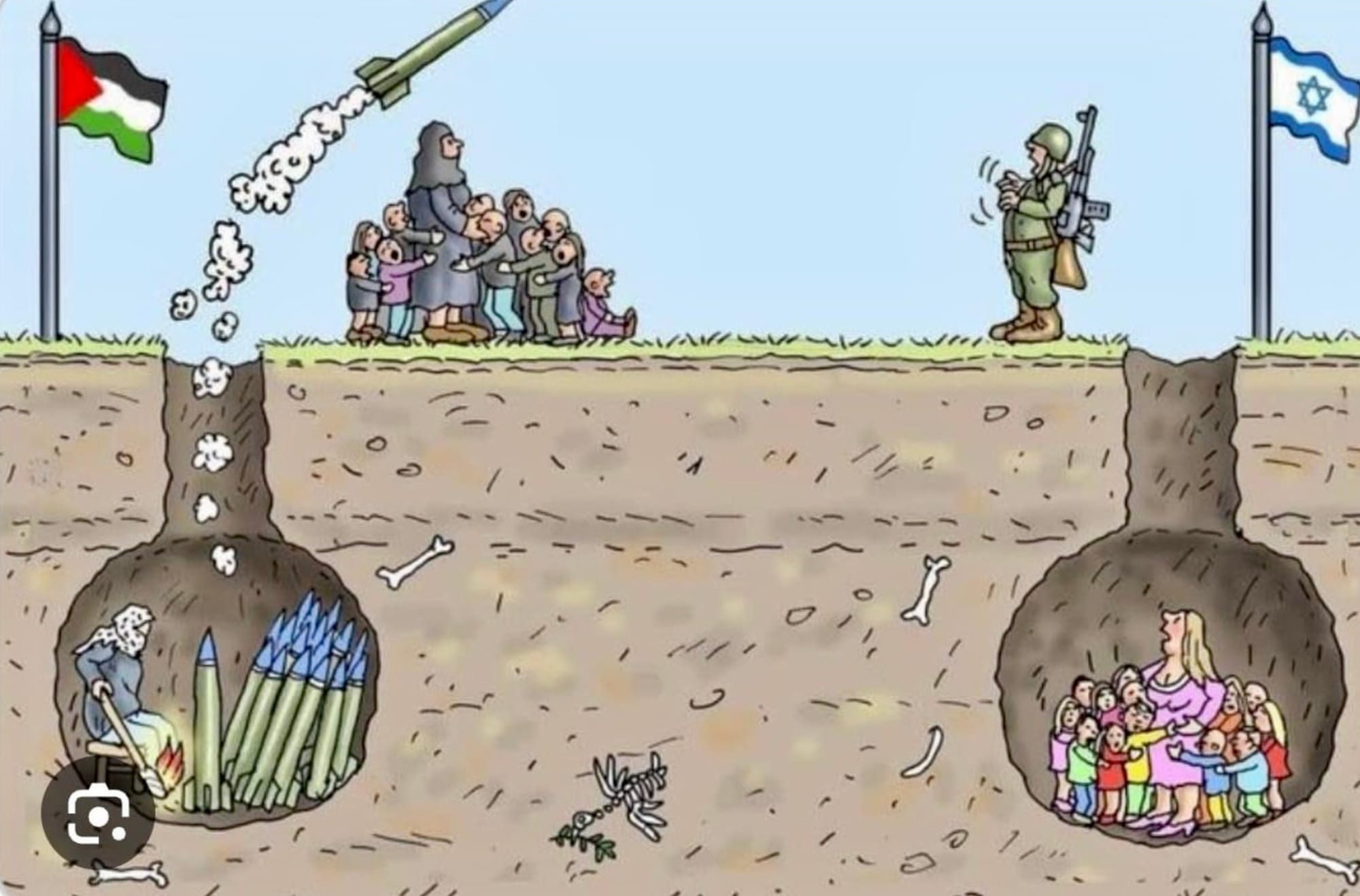
In Gaza, Hamas uses tunnels to protect its fighters and supplies. The vast network of underground tunnels is not used to protect civilians.
Why? Hamas wants them dead. Photos of dead Gazans fuel the anti-Israel propaganda that often turns into anti-Jew propaganda. Gazans are pawns.
Regionally, the conflict spread outward like a stain, destroying embryonic diplomatic efforts, like the U.S.-brokered talks between Israel and Saudi Arabia. Iran-backed terror groups entered the fray in solidarity with Hamas: Hezbollah engaged in daily cross-border exchanges of fire with Israel along the northern border, while Houthi rebels in Yemen launched missiles toward Israel and targeted commercial shipping in the Red Sea, causing major disruptions to global trade routes.
Disruption to trade was made more severe when Israel and the U.S. attacked Iran, a prime sponsor of terror in the Mideast.
——
Worldwide, Israel’s heavy-handed response ignited widespread public protests, sparked legal challenges at international bodies such as the International Court of Justice and the International Criminal Court, and dramatically heightened social tensions, accompanied by a sharp surge in antisemitic incidents globally.
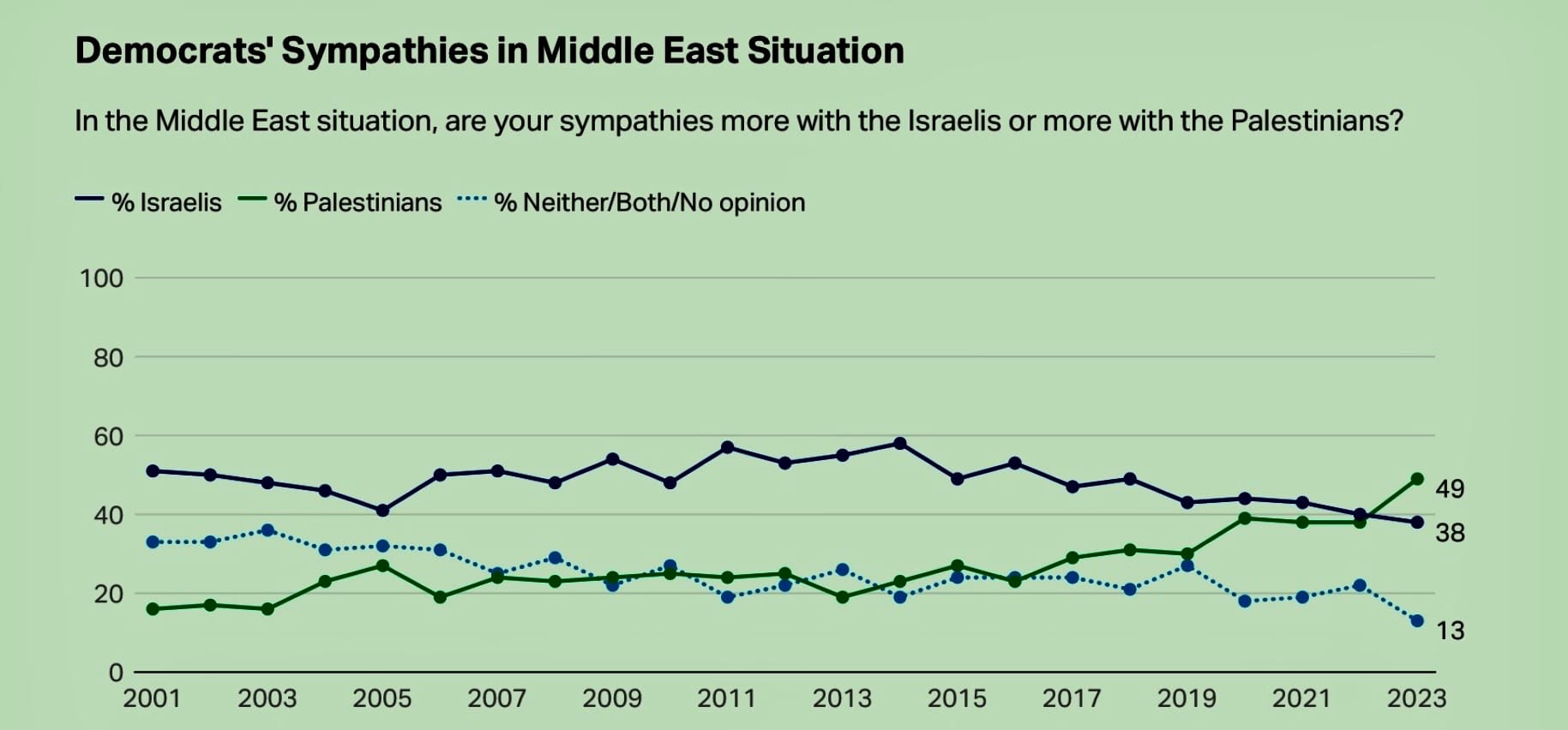
Western governments, including the United States and several European allies, strongly condemned Hamas's attack and affirmed Israel's right to defend itself, though growing humanitarian concerns eventually led to calls for ceasefires and restrictions on arms transfers. In the U.S., for the first time, more Democrats felt sympathy with the Palestinians than with the Israelis. This is a triumph of empathy over reality, a detachment of the cause of the war from its effects.
Three years later after the military disaster, while Israel controls Gaza, Hamas has yet to be disarmed and President Donald J. Trump’s grandiose vision of a Palestinian Riviera is stuck in the mud.
Three years later, with the vision of their dead on their minds, most Israelis are not interested in peace talks with the barbarians of Hamas.
Three years later, with the vision of their dead on their minds, most Palestinians are not interested in peace talks with the likes of Netanyahu.
Huge majorities of Jews and Arabs on the ground do not believe peaceful coexistence is possible, according to a recent Pew poll.
Hearts so scarred by hate cannot be easily healed.
The Messiah could bring the balm to heal the wounds, but He is not evident.
So the fate of Mideast Jews and Arabs remains in the hands of imperfect, and sometimes atrocious, politicians.
Three years later, we mark the tragic anniversary in a dark tunnel.